
Traditional East Asian therapies draw on centuries of wisdom from China, Japan, Korea, and beyond. These healing systems work with the body’s meridians — pathways that connect and communicate through the tissues — to restore flow and balance. Treatments may include acupuncture, acupressure, moxibustion, cupping, and massage, each chosen to support the body’s natural rhythm.
The focus is on prevention and harmony, helping maintain wellness, ease movement, and reduce stagnation before discomfort arises. These therapies can support general wellbeing, pain relief, fertility, digestive health, stress, anxiety, facial rejuvenation, and many other physical and emotional conditions.

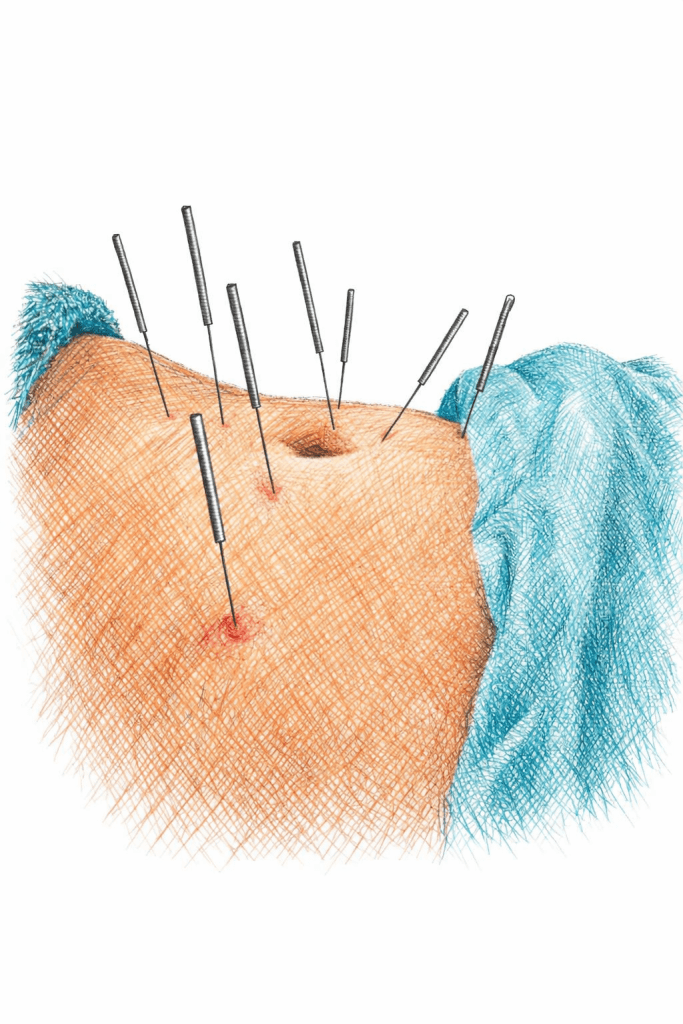
Clinical Acupuncture, Abdominal acupuncture and Korean hand therapy-
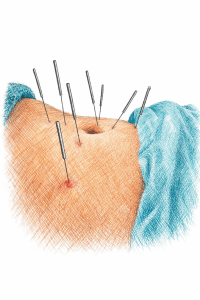
Clinical acupuncture works with the body’s meridians to restore balance, ease pain, and support overall wellbeing. It uses fine needles placed at specific points to influence circulation, muscle tension, and the nervous system. Treatments can be combined with massage, gua sha, or cupping to enhance results.
I also use microsystem therapies, where the whole body is mapped onto smaller areas such as the abdomen and hands — similar in principle to reflexology. This allows me to treat issues like neck or back pain by stimulating corresponding points in the abdomen or hands, often while massaging the affected area at the same time. When needles aren’t suitable, I can use acupressure magnets or small adhesive discs to activate the same points gently and effectively.
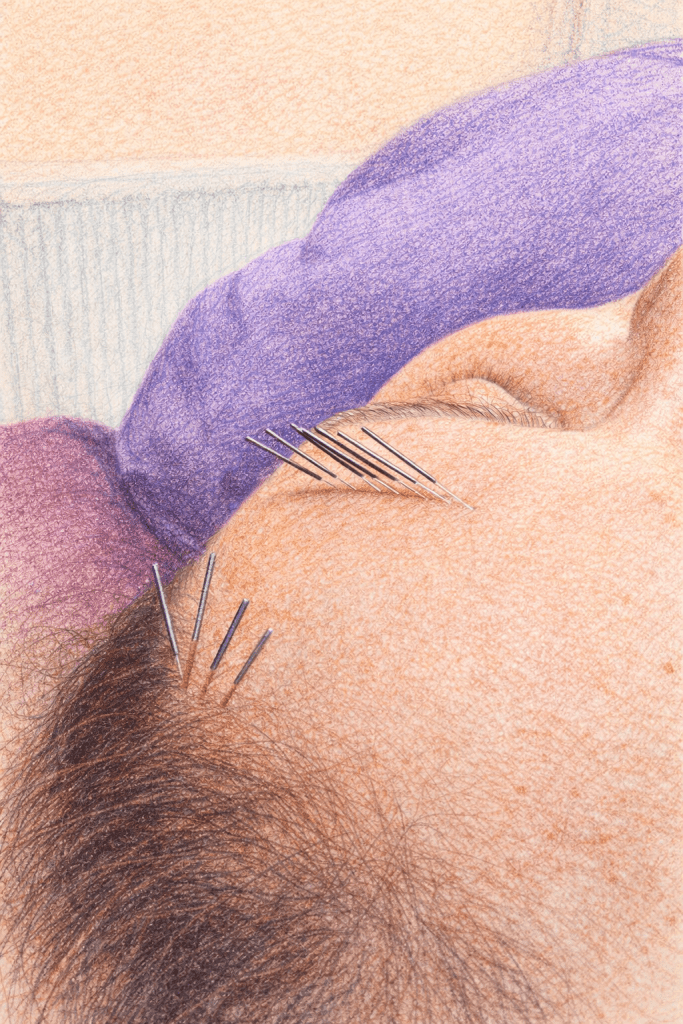
For facial work, I offer cosmetic acupuncture as part of my rejuvenation treatments. With 57 muscles in the face, tone naturally reduces as we age, leading to sagging and fine lines. Facial acupuncture and gua sha work beneath the surface to improve circulation, boost collagen, and support healthier muscle tone. Over a series of treatments, this can encourage cellular repair and leave the face looking brighter, firmer, and more refreshed.
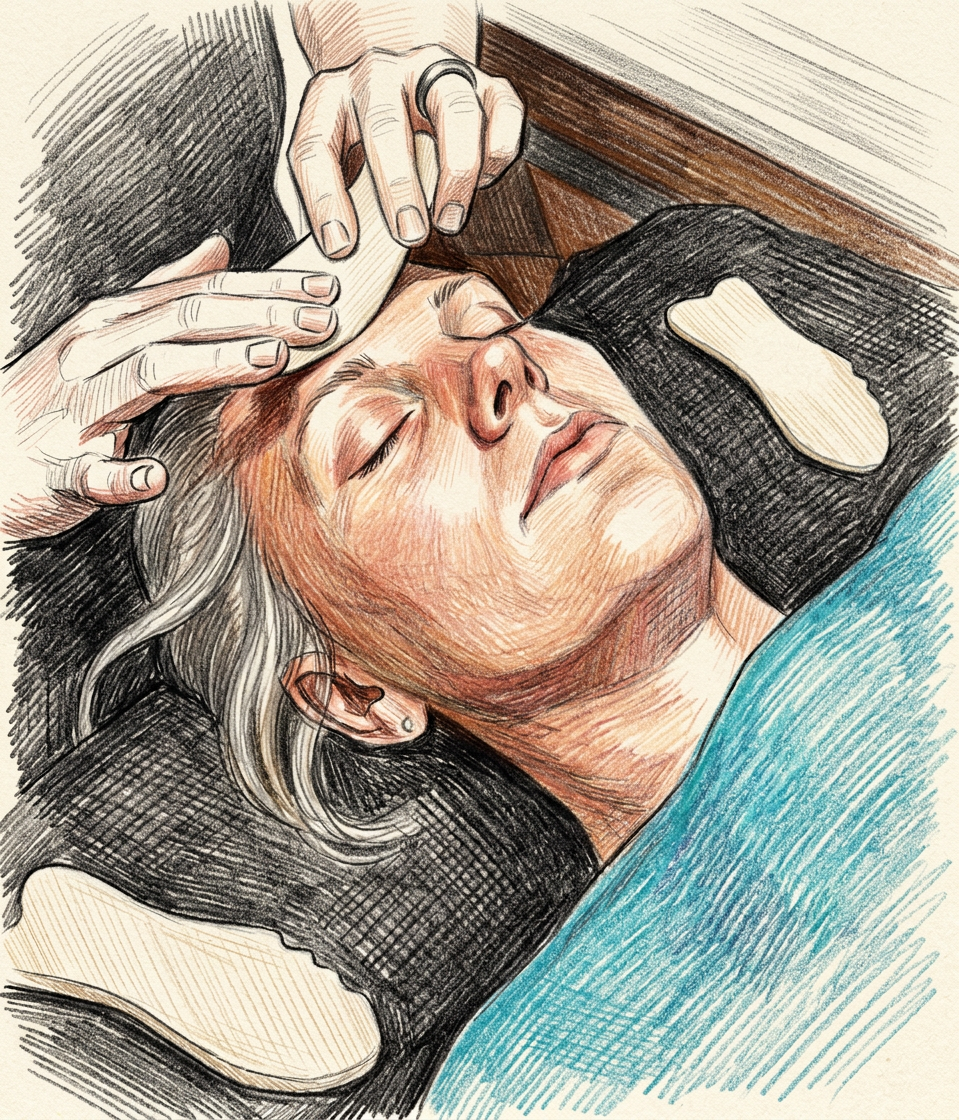
Gua sha is a traditional East Asian scraping technique used for both facial rejuvenation and deeper body and meridian work. I use hand‑carved jade tools for their naturally cooling, soothing qualities and their ability to glide smoothly across the skin.
For the face, gua sha isn’t only about cosmetic benefits. It can ease headaches, migraines, jaw tension, and sinus congestion by improving circulation, releasing muscular tightness, and supporting lymphatic flow. It also helps brighten the complexion, soften lines, and refresh tone, working beautifully alongside cosmetic acupuncture.
For the body and meridians, gua sha can be applied with deeper, more purposeful strokes to release fascial adhesions, clear stagnation, and support the flow of Qi through the channels. This style of work can ease tight muscles, improve mobility, and create a sense of lightness and clarity throughout the body.
I also use a range of jade tools designed for percussive and rhythmic techniques, which stimulate blood and energy flow in a different way and can be especially effective for abdominal tension or areas that need a gentler approach.
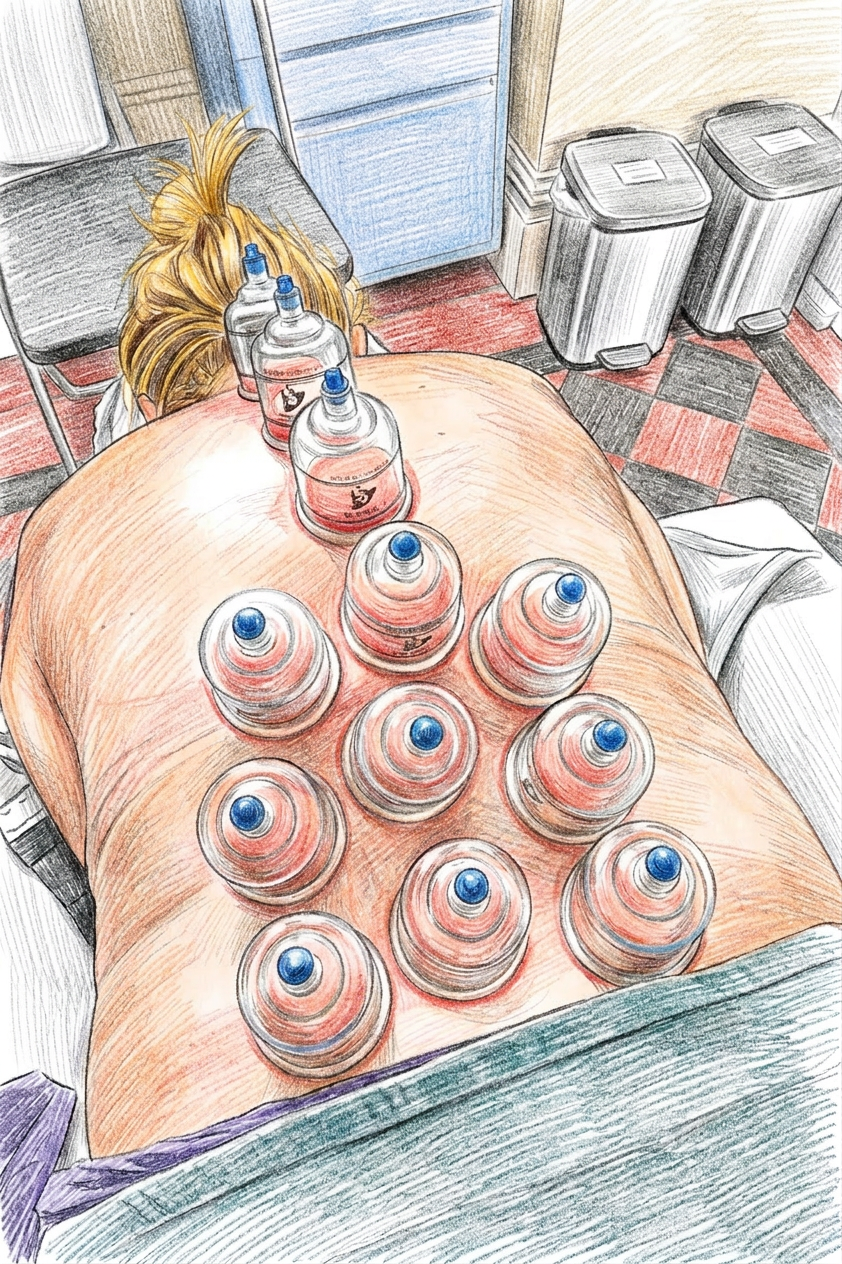
Cupping is a traditional therapy used to ease stiffness, release stagnation, and improve circulation. When an area of the body isn’t moving as it should, the tissues can tighten and blood and lymph flow become sluggish. Cupping creates a gentle vacuum that lifts the tissues, draws out stagnation, and encourages fresh circulation into the area.
The familiar circular marks left after treatment are often mistaken for bruises, but they’re simply a sign of old, stagnant blood being brought to the surface so the body can clear it. As movement improves, these marks fade more quickly and often stop appearing altogether.
Cupping can be especially helpful for tight, sore muscles, supporting recovery during training, easing menstrual discomfort, and relieving constipation. It’s a deeply releasing therapy that pairs beautifully with massage and gua sha when the body needs help to move again.
Moxibustion is a traditional heat therapy used to warm, nourish, and stimulate specific acupoints. It involves gently burning dried mugwort (moxa) in a way similar to incense. The heat can be applied directly over a point, placed on a ceramic holder, or used in Korean Hand Therapy, where the hands act as a microsystem for the whole body.
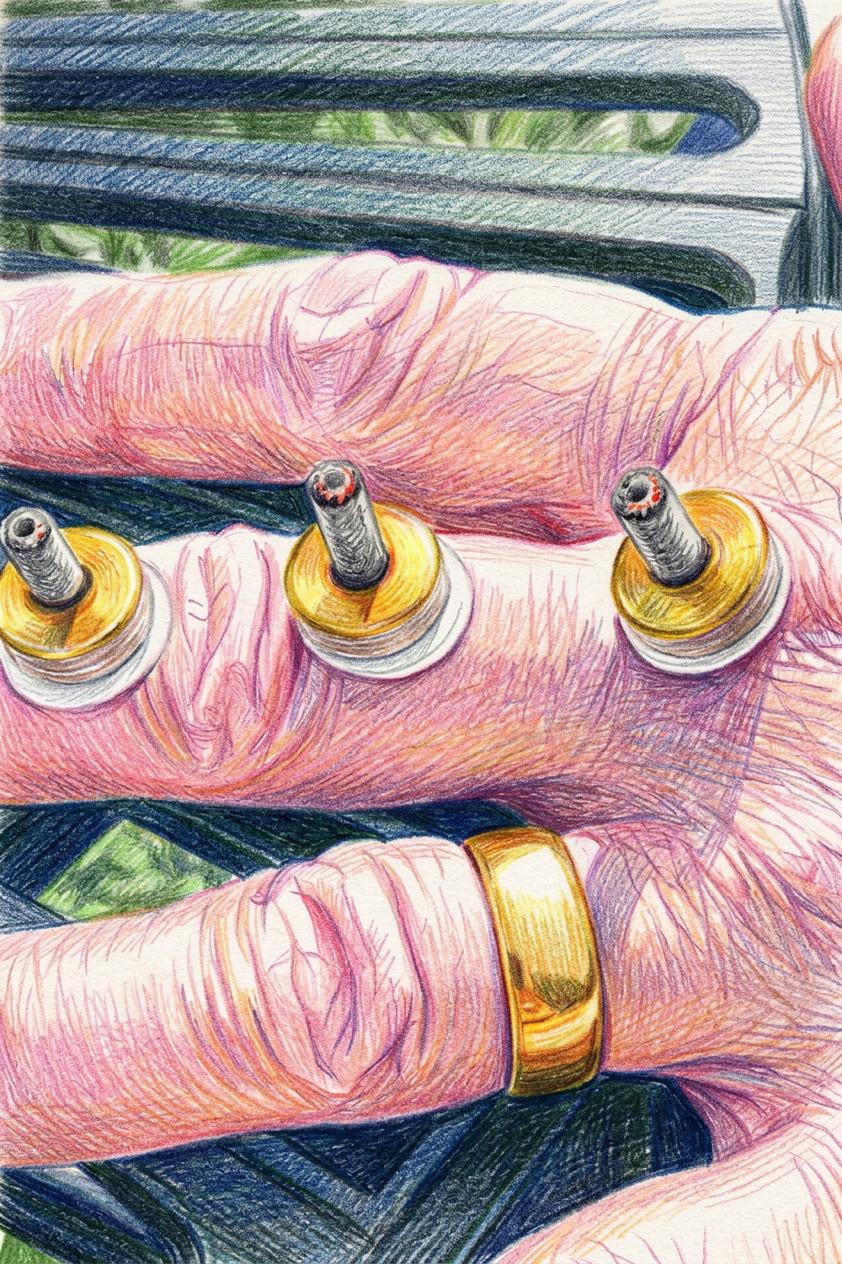
Moxa is especially helpful for chronic conditions, cold or stiff areas, low energy, digestive issues, and pain that improves with warmth. The gentle, penetrating heat encourages circulation, relaxes tight tissues, and supports the smooth flow of Qi.
In Korean Hand Therapy, tiny moxa cones can be placed on specific hand points to influence the whole body — for example, easing neck pain by warming the corresponding hand point rather than working directly on the neck.
Ceramic moxa holders can also be placed on the abdomen to support fertility, digestive health, or general warmth, or used on areas of tension to soften the tissues before further treatment. Moxa is safe, deeply comforting, and a powerful complement to acupuncture, gua sha, and massage.
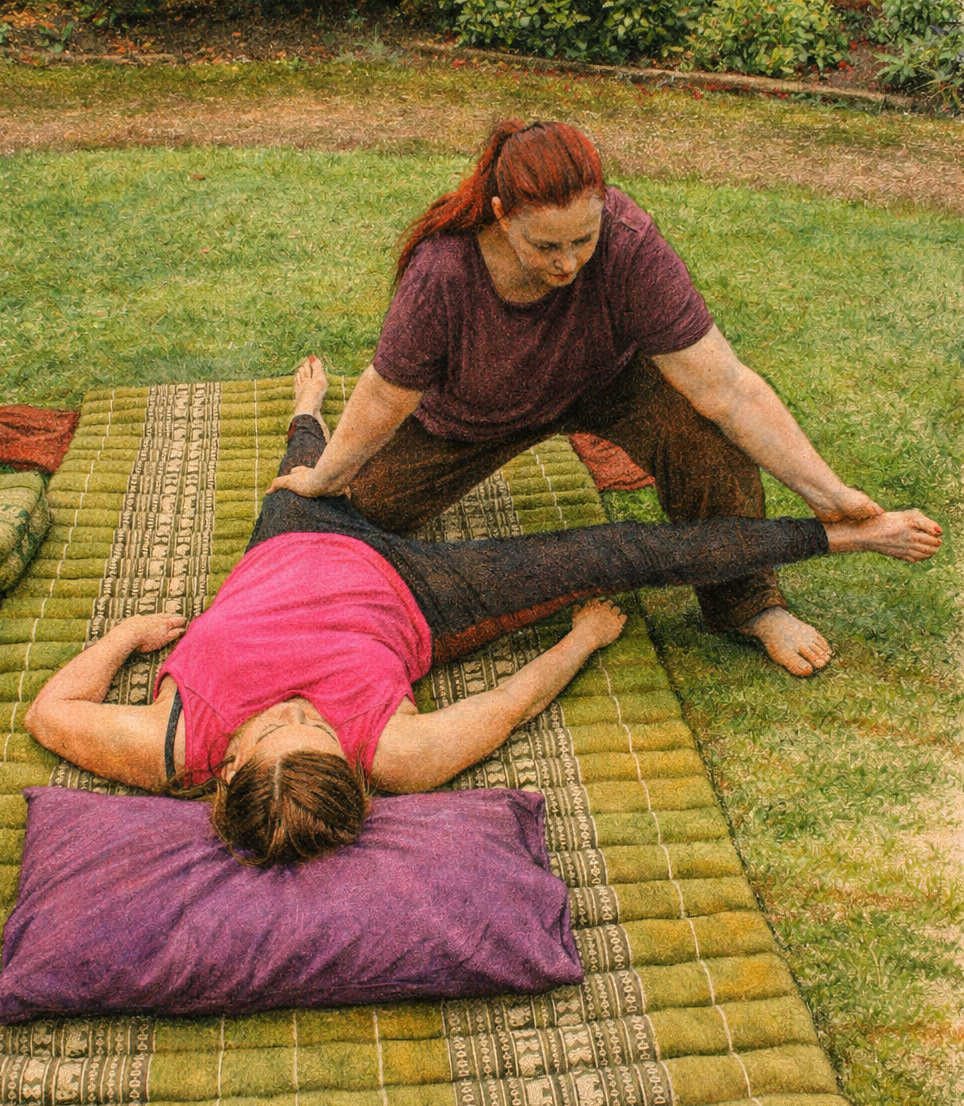
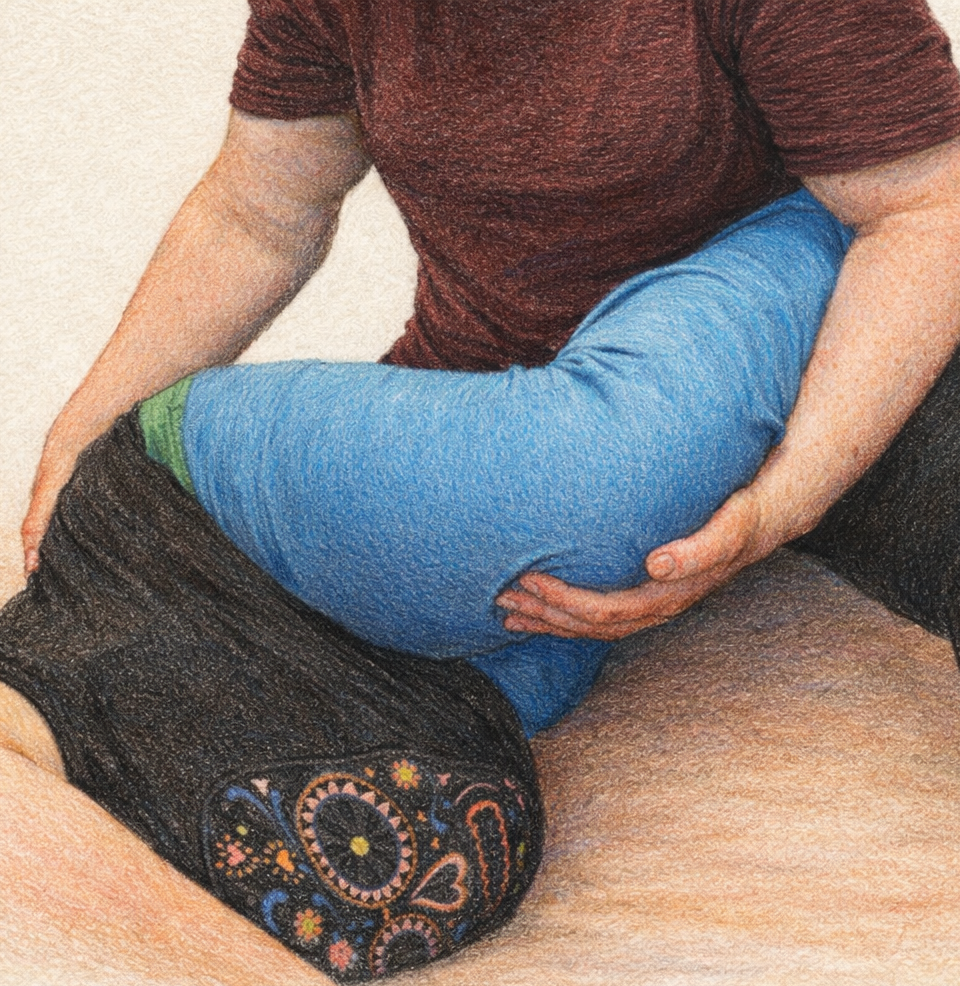
Korean Meridian Massage is a deeply restorative treatment that works along the meridians rather than focusing solely on tight muscles. By clearing blockages and encouraging smooth flow through the channels, it creates a profound sense of calm, balance, and renewed vitality.
The work is slow, methodical, and incredibly soothing — a very different experience from traditional massage. While shorter sessions are possible, this treatment is at its most powerful over a three‑hour appointment, giving the body time to fully unwind and allowing every meridian to be addressed with care.
If you’re feeling depleted, overwhelmed, or energetically stuck, this treatment offers a reset that reaches far deeper than muscle work alone.
Any of these therapies can be booked as a standalone session or woven into a longer, tailored treatment to suit your individual needs. I often combine techniques to create the most effective and intuitive approach for your body on the day.
 The Barefoot therapist